August 18, 2008

Fatherhood on Film


Of course, the theme of fatherhood is pretty common in literature and on film. And it definitely weaves in and out of the Lawton Chiles story, as politics becomes a family pastime just like Scrabble or baseball in the backyard and going to hear the politicos speak means going to cheer on Dad.

Filmmaker Oliver Stone is well-known for exploring the "dueling fathers" theme in Platoon and Wall Street. I actually haven't seen the former film but from what I've read before, it's the same basic premise of a young man torn between two father figures. One might be a biological father and one might be a "found" father. Wall Street ends with a pretty firm decision to stick with blood family, but the fight to get leaves enough scars that things probably won't ever be the same for Bud Fox.

But what I've noticed is that when you push the slightest bit, even seemingly oddball film choices have comments on fatherhood and "false" fatherhood. The last exchange between Colin and Frank in The Departed gives that away clearly.

Even in supposedly light but mega-popular fair like Batman Begins, the memories of a lost father and a heavy legacy haunt Bruce Wayne through his maturity to young adulthood. The film's score composers even devised a musical cue for these moments since there is little or no dialogue to explore it. It's a moving piece. And the visual cue--Bruce's father's stethoscope.

And when it does come up in these unexpected places, I think it adds a little depth to the movie that makes it harder to forget even after multiple viewings.

August 10, 2008

Rural politics on film again


Another nice snapshot of life on the dirt trails and greenways, courtesy of the Warner for U.S. Senate campaign in Virginia.

August 7, 2008

Nothin' better than the real thing


I've bought a series of books on the black regiments that served honorably and bravely in the Civil War because it's always been a side interest of mine. Seeing the Battle of Olustee re-enactment in Florida rekindled it for me.

I've finished one of the books so far and it didn't take to me. The style was pompous I thought and the only really interesting sections were the quotes from the original sources.

It brings up a continual challenge--working with original sources. It's that balance between preserving the spark of the original words and complementing them with context and splicing them together with even more original text. At times, you wonder whether you can ever improve on the original--whether you're talking about a series of letters or a diary or an official document. Why commentate at all? But we know that the sum is often greater than its parts. So the work of biography keeps rolling along...

July 28, 2008

Yale Discovers Door-Knocking


Two Yale political scientists publish more confirmation of the age-old concept that face-to-face vote-getting works...people like the Walk.

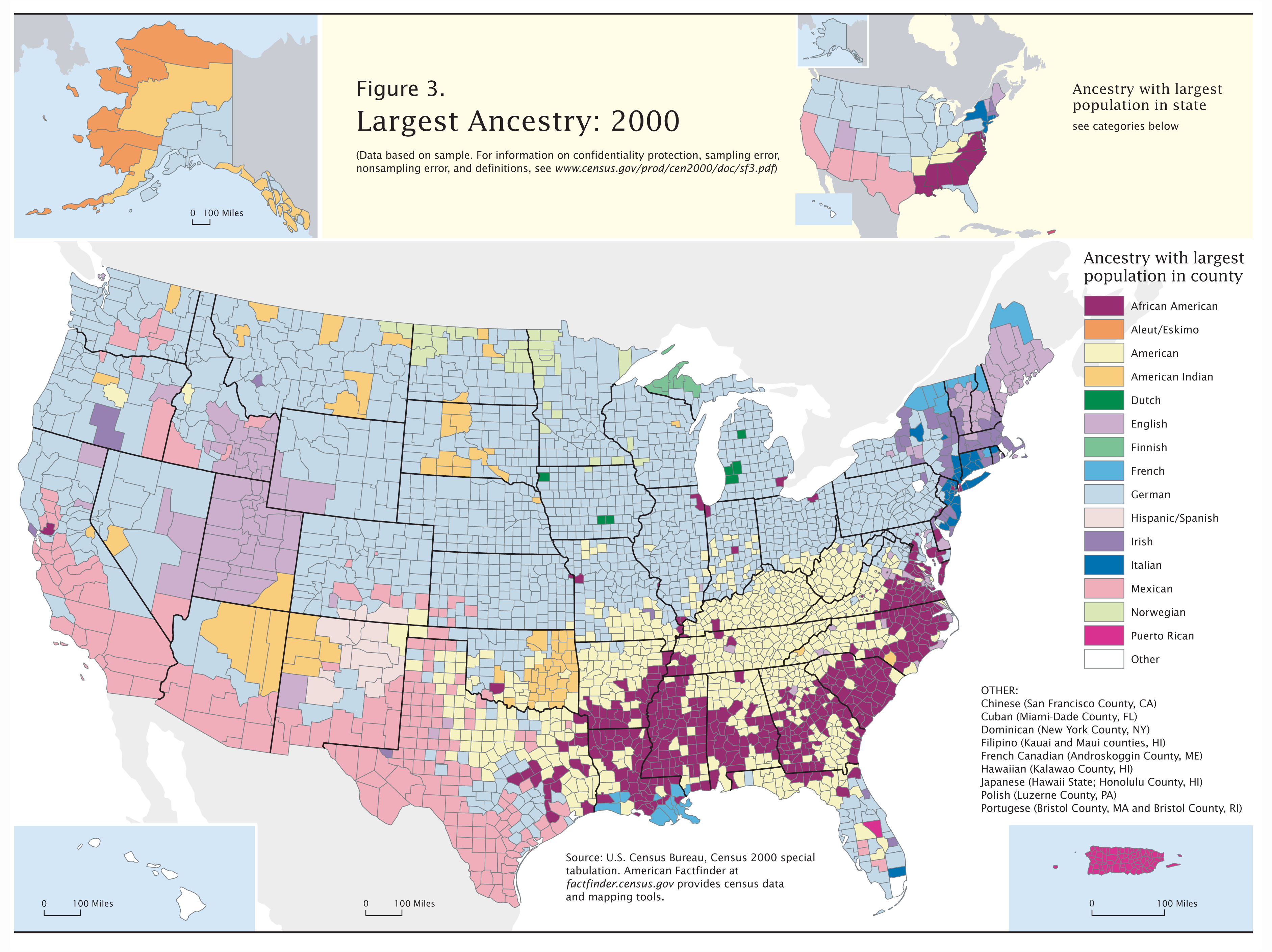
Ancestry Questions


In reading my usual haunt, electoral-vote.com, I found a link to this demographic map. I'm not confident about the other categories but getting a bearing on the African counties gives you a nice snapshot of the Democratic base in the old slave states. Especially in Florida, you can see where the plantation legacy is still alive in politics.

As you can see, Leon, Gadsden, and Jefferson counties can and should be seen as simply the southernmost point of the former cotton plantation lands stretching across southwest Georgia.

July 24, 2008

Century's Ebb


I've been meaning to blog about this for a while...the way culture, whether pop culture or political paradigms, change when they feel like it and not according to calendar.

Some examples, and then I'll get to the punchline.

Consider the Victorian Age in England. It ended when Queen Victoria died, not when 1899 changed to 1900. In a way, the 19th century didn't ultimately end culturally and politically and socially for the Western world until World War I's end. The 19th was a long century.

Now a more trite example, 80s pop culture in America. In CD stores and on film, did the 80s really end at the New Year's celebration welcoming 1990? I would argue no--not at all. It ended when grunge outsold every hair metal CD on the market, and that didn't happen till 1993 or 1994, after Nirvana and company hit it big. Early 90s movies, whether Pretty Woman, The Distinguished Gentleman, or sequels like Beverly Hills Cop 3 and Back to the Future Part III, had their feet firmly planted in previous decade's humor. Maybe it was post Cold War euphoria, the inauguration of a young "hip" president like Bill Clinton, or just love of Eddie Murphy's laugh, but people just couldn't get enough of 80s cheesiness in ten years. So they demanded more.

Which brings us to politics. Now, in rhetorical terms, you might say that the 21st century began with Bill Clinton, since he "build a bridge to the 21st century." But how did it play out in Florida? I'd argue that Lawton Chiles did the same on a local level, in terms of agency reform and reorganization, introduction of high-tech refinements to government, and coming to terms with Florida's "megastate" status. But it's up for debate nationally and Florida-wise, did the Bushes kick of the new century politically or did Chiles and Clinton? Did the 21st century begin politically and culturally with 9/11. I think a lot historians will say yes.

July 16, 2008

Electoral "C"


An excellent analysis of Ohio's elections the geography of Democratic and Republican victories.

The gist of Florida's victories is easier to visualize I think than in Ohio.